
Zero-Click SEO: The Strategy That Wins When Clicks Stop Mattering
ⓘ TL;DR
- Zero-click search is not a traffic apocalypse. It is search evolving past the click as the only unit of value. The goal moves from earning a click to earning a citation.
- Four SERP features drive no-click behavior: AI Overviews, featured snippets, knowledge panels, and local packs. Each one resolves the query before the user ever leaves Google.
- The old click metric measures a behavior that no longer defines success. Falling clicks with steady rankings is not a content failure. It is the SERP answering the question for you.
- Visibility inside the SERP builds brand recall that converts to a branded search later. That delayed direct search is the real conversion event, and it generates a click Google cannot strip away.
- Schema markup is the technical lever. FAQ and HowTo structured data qualify your content for the zero-click features competitors without markup cannot touch.
Impressions climb. Clicks drop. The content manager stares at the dashboard and wonders what broke.
The old metric was never the right one. Zero-Click SEO is not a traffic apocalypse. It signals search evolved past the click as the only unit of value.
This article gives a framework for winning visibility when users never leave the SERP. You will learn which features drive no-click behavior, how to measure influence beyond the session, and where to invest for 2026.
Google’s featured snippets now answer questions that once sent users to Wikipedia. Wikipedia saw the shift and optimized its structured data for snippet capture. The result: Wikipedia still dominates the SERP, even as organic clicks decline. That play is worth studying. Visibility without a click is not a loss. It is a different kind of win.
What Zero-Click SEO Actually Means for Your Strategy
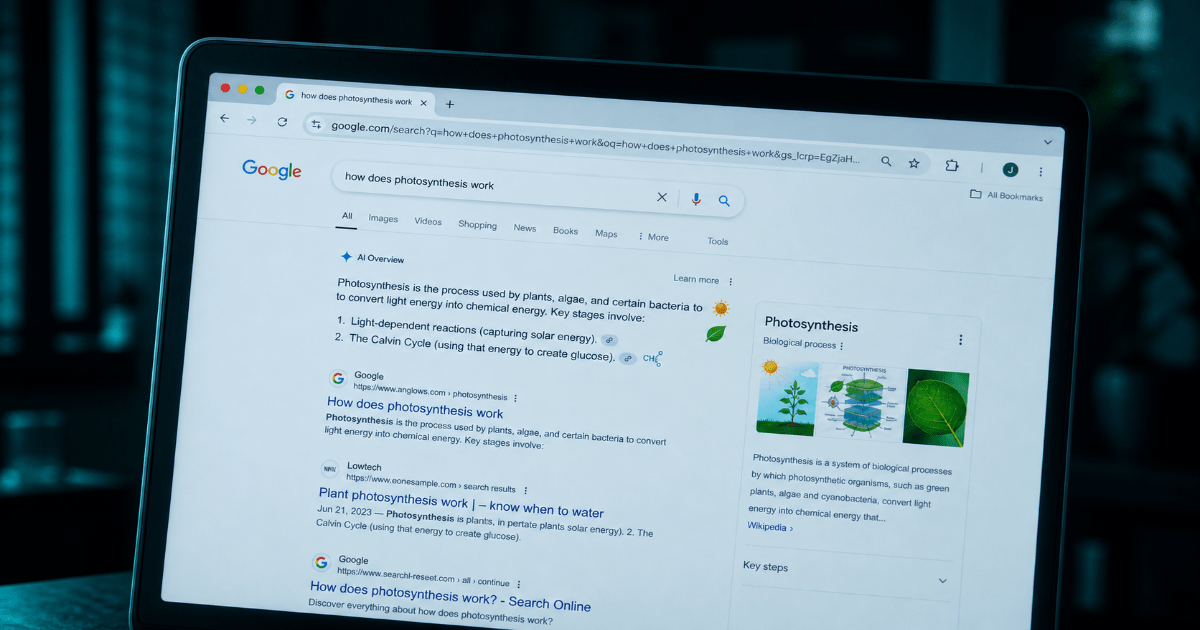
Zero-click search is the moment a user finds the answer directly on the search results page without clicking through to any website. The query resolves inside the SERP itself, inside an AI Overview, a featured snippet, or a knowledge panel. The click never happens.
Most teams treat this as a failure mode. They see falling click-through rates and assume the algorithm broke their traffic pipeline. That assumption costs them the next two years of strategy.. Zero-click search is not a bug Google needs to fix. It is a deliberate feature of how search now works.
The strategic shift is subtle and brutal. The goal moves from earning a click to earning a citation. Your brand gets referenced inside the SERP as the authoritative source for that answer. The user leaves the page informed, remembers your name, and searches for it directly next time.
This is how zero-click searches build brand equity without a single session logged in your analytics. The old metric told you the user vanished. The new reality says they found what they needed and stored your name for later. Stop measuring success by clicks alone. Start measuring whether your brand was the source the SERP chose to cite. That is the only metric that matters now..
The clearest example is a recipe search. Google shows the ingredients, the steps, and a photo inside the SERP. The user never visits the blog that spent hours testing and photographing that dish. But that blog’s name appears in the citation. The user remembers it for the next meal they plan.
That recall is the asset.. It converts to a direct search later, which generates a click Google cannot strip away. Build your strategy around that delayed conversion, not the immediate one you lost.
The SERP Features That Fuel No-Click Behavior
Four SERP features drive nearly all zero-click behavior, and each one changes how users interact with search results. Understanding each feature’s distinct mechanism is the difference between reacting to lost traffic and engineering new visibility.
AI Overviews: The Answer Box That Replaced the Click
AI Overviews generate a synthesized answer directly on the SERP, pulling from multiple sources to create a single response. Users read the overview and move on, no click, no visit, no session. This does not mean buyers disappeared. The search results page changed how buyers discover, evaluate, and return to brands.
Featured Snippets: The Citation That Builds Recall
Featured snippets extract a direct answer from a single page and place it above the organic results. The user gets the answer without visiting the source. But the brand name sits in the snippet, building recognition that drives future branded searches.
Knowledge Panels: The Entity That Trusts Itself
Knowledge panels pull structured data from the Knowledge Graph to display facts about a person, place, or thing. Users verify information without ever leaving Google. For brands, appearing here signals authority to both users and the algorithm.
Local Packs: The Decision Made Before the Visit
Local packs show three businesses with ratings, hours, and location data. Users compare options and choose without clicking through. The winner gets foot traffic, not a site visit, which makes local pack optimization a pure zero-click play.
People Also Ask: The Discovery Engine
People Also Ask boxes expand with related questions, keeping users inside the SERP for an entire research session. Each question answered by your content builds incremental trust without a single click. The cumulative effect is brand preference at the moment of decision.
Why the Old Click-Based Metric Fails You Now
The standard dashboard tells a story most content teams read wrong. Impressions climb. Rankings hold steady. Clicks drop. The instinct is to panic, rewrite the page, change the keyword, blame the algorithm. That instinct costs months of wasted effort..
The reasoning feels logical because clicks were always the currency. More clicks meant more traffic, more leads, more revenue. That equation held for a decade.. It no longer holds because the SERP itself changed how users consume answers.
Before: A team tracks a high-ranking page for a mid-funnel query. Rankings sit at position two for six months. Then clicks drop by 40%. The team assumes the content is failing.
They rewrite the page, update the metadata, and run a new link-building push. Rankings stay flat. Clicks do not recover. The team burns three months on a problem that was never about the content.
After: The same team checks what actually changed. The query now triggers an AI Overview that answers the user’s question directly on the SERP. The page still ranks at position two. The brand is cited inside the overview.
Users read the answer without clicking, then search for the brand by name the next week. Branded search lift rises by 18%. Assisted conversions increase. The team stops optimizing for the click and starts measuring visibility, trust, and action wherever the decision is made. The contrast reveals a hard truth. The old metric measured a behavior that no longer defines success. Clicks were a proxy for attention. Attention now happens inside the SERP.
How to Identify Queries Where Zero-Click Wins
The standard approach to keyword research treats every query as a potential click. That assumption costs teams time and resources. A smarter process identifies where appearing in the SERP itself delivers more value than the click ever could.
Step 1. Run your target keywords through a SERP analysis tool and look for queries already triggering featured snippets, AI Overviews, or local packs. These are signals that Google has decided the answer belongs on the search results page. If a competitor already holds that real estate, the fight for the click is lost.
Step 2. Assess search intent behind each candidate query. Informational queries, “how does X work” or “what is the difference between Y and Z”, are prime territory for zero-click wins. Commercial or transactional queries still favor the click, but the line blurs as Google adds more inline purchase features.
Step 3. Evaluate the brand value of being the cited source. A featured snippet that answers “best CRM for small teams” might not drive a click today, but it builds brand recall that drives a branded search tomorrow. That delayed return is invisible to standard analytics. This is where the zero-click search guide from Search Engine Land provides a useful framework for measuring that influence.
Step 4. Decide whether to optimize for the snippet or the click. Some queries reward a concise, scannable answer that fits the snippet format. Others demand depth that only a landing page can deliver. The choice depends on whether your brand benefits more from immediate visibility or from engagement that follows a click. This connects to your broader Search Intent Optimization strategy, where intent dictates format.
Step 5. Monitor branded search lift and assisted conversions for the queries you optimized for zero-click. If impressions rise but branded searches do not follow, the snippet is not building recall. Adjust the content or abandon the query.
Completing this process transforms your keyword set from a list of traffic targets into a map of visibility opportunities. The queries that survive are the ones where your brand wins whether the user clicks or not.
Building Brand Authority Inside the SERP
Zero-click SEO does not reward clever formatting tricks. It rewards brands Google already trusts enough to cite without a click. That trust is built long before the SERP ever considers featuring your content.
Google’s algorithm evaluates authority through consistency and depth. A single well-optimized article will rarely trigger a featured snippet or an AI Overview. What works is a sustained pattern of publishing comprehensive content on a specific topic cluster over months. That pattern signals to Google that your brand owns the subject.
Building this topical authority requires a deliberate content strategy. Publish a pillar page covering a core topic. Follow it with supporting articles answering related subtopics. Link them with clear internal navigation. Over time, this structure tells Google your site is the definitive resource. This is the foundation of effective SEO brand marketing, earning trust through demonstrated expertise, not optimization shortcuts.
The payoff is not immediate traffic. The payoff is appearing as the cited source when a user searches a question your content answers. That citation builds brand recall. The next time that user searches for something related, they skip the SERP and search for your brand directly. That direct search is the real conversion event.
Zero-click searches can still help your business grow by boosting visibility and brand awareness, as noted in research on zero-click search strategy. The visibility inside the SERP is a form of advertising that pays for itself through future branded searches.
HubSpot’s Knowledge Academy is a clear example. Their content cluster around inbound marketing is so comprehensive that Google surfaces their glossary definitions directly in SERPs. No click required. The brand recall from that placement drives direct traffic later. That is the loop that most strategies miss.
Schema Markup: The Technical Lever for Zero-Click Visibility
Content teams obsess over keywords but neglect the markup that tells Google what the page means. That gap is where zero-click opportunities vanish. Structured data is the signal that qualifies content for featured snippets, AI Overviews, and rich results inside Search Engine Results Pages.
Three Schema Types That Trigger Zero-Click Features
FAQ schema is the most direct lever. Apply it to pages answering common questions, and Google may pull those Q&A pairs into the SERP as an expandable result. HowTo schema works for procedural content. Step-by-step instructions with numbered lists increase the chance of appearing in a carousel or how-to panel.
Where Most Teams Get Schema Wrong
The common mistake is treating schema as a one-time setup. A page with outdated FAQ markup gets ignored by Google’s snippet algorithms. Schema must be maintained. When content changes, the markup must change with it. Stale structured data signals neglect.
The Implementation That Actually Works
Start with pages already ranking on page one. Those have the best chance of converting to a zero-click feature. Apply FAQ schema to the top three performing informational posts. Then audit for HowTo opportunities. Any page that walks through a process—setup guides, troubleshooting flows, installation steps—qualifies. Add the markup and monitor the SERP.
Why Schema Wins Without a Click
A page with proper markup earns Google’s trust before a user ever sees it. That trust translates into SERP real estate competitors without schema cannot touch. The result is visibility that compounds into branded search queries and direct visits later. Schema is the infrastructure for that compound effect.
Creating Content for Questions No One Has Answered Yet
The most valuable real estate in a zero-click SERP is the space no one else has claimed. Most content teams race to answer the same popular queries, leaving a trail of undifferentiated pages that Google has no reason to elevate. The smarter play is to find the questions your competitors have not even noticed and build the definitive answer before they do.
This is not about chasing long-tail keywords with low search volume. It is about identifying genuine gaps in the informational landscape of your niche. A customer forum, a Reddit thread, or a support ticket log often contains a question repeated verbatim by dozens of people, yet no single piece of content exists to answer it directly. That gap is an invitation..
Creating the content that fills that gap positions your brand as the origin point of an answer. Google’s systems, particularly AI Overviews, favor sources that provide the first clear explanation of a concept. Being first matters more than being comprehensive. A focused 500-word answer to a specific, unanswered question can earn more visibility in a zero-click result than a 3000-word guide that covers the same topic broadly.
This approach connects directly to a broader strategy of creating content for unanswered questions. The process is straightforward: audit your support logs, community discussions, and industry forums for recurring questions that lack a clear, authoritative answer. Then write that answer.. No preamble. Just the direct, cited response that Google can pull into a featured snippet or an AI Overview.
The implication for your AEO strategy is uncomfortable but clear. The questions worth answering are not the ones everyone is chasing. They are the ones hiding in plain sight, waiting for a brand with the discipline to look past the obvious query and build something genuinely new.
Your Next Move in a Zero-Click World
The shift to zero-click search is not a loss of opportunity. It is a relocation of where value gets captured. The brands that understand this will stop measuring success by what happens on their own servers and start measuring it by what happens inside the SERP itself.
Acting on this now means the difference between owning a search result and simply appearing in it. A team that audits its keyword set for zero-click opportunities today builds a moat that competitors chasing clicks will not cross for another year. That gap is where the advantage lies..
Audit your current keyword set. Identify every query where a featured snippet or AI Overview already exists. Then optimize for the citation, not the click. The metric that matters next year is influence, not traffic.
Every claim in this article was checked against a real source before it was published.
WryveAI researches live search results, writes source-verified content, and publishes straight to WordPress, all in one platform.
Try WryveAI Free →No credit card required.
Frequently Asked Questions About Zero-Click SEO
What is zero click in SEO?
Zero-click SEO is the practice of optimizing content so users find the answer directly on the search results page without needing to click through to a website. This approach treats brand visibility and trust inside the SERP as the primary win, not the traffic that used to follow a click.
Is SEO dead or evolving in 2026?
SEO is evolving rapidly, not dying, with the most significant shift being the rise of zero-click search results that change where value is captured. Teams that measure success by brand recall and assisted conversions will outperform those still chasing session counts from organic traffic.
What is the zero click approach?
The zero-click approach prioritizes earning a citation in a featured snippet, AI Overview, or knowledge panel over earning a direct visit to your site. This strategy relies on structuring content to answer specific user questions completely and authoritatively within the SERP itself.
What is an example of a zero-click search?
A user asks their phone for the capital of France and sees the answer displayed in a knowledge panel without opening any website. The brand that provided the data for that panel gains visibility and trust even though the user never visited their domain.


